
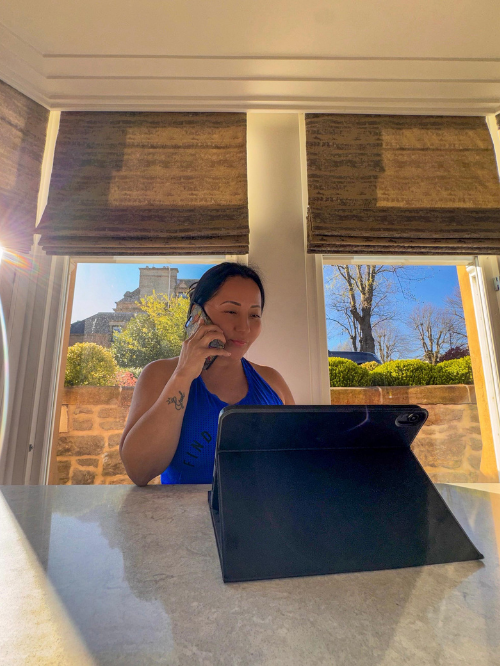
By Lucy Castillo
There is something that high-net-worth individuals and elite professionals rarely say out loud — but that every exceptional personal assistant understands instinctively. By the time a client asks for something, they have already been thinking about it. The request that arrives in the morning was formed the night before. The call that comes in after a difficult day was already building during the hours that preceded it. In high-trust private environments, speed is not enough. The professionals who last in these spaces are not the ones who respond fastest. They are the ones who have already moved before the request is made. That is anticipation. And it is the single most defining quality of an exceptional personal assistant at this level.
Anticipation Is Not Intuition
There is a common misconception that anticipating a client’s needs is some kind of instinct — a natural gift that certain people have and others do not. It is not. Anticipation is the result of knowledge. Specific, accumulated, carefully observed knowledge of a person — how they think, how they react, what matters to them, what destabilises them, and what they need in order to function at their best. It is built through attention. Through years of being present in someone’s environment and treating everything you observe as information worth retaining. You cannot anticipate for someone you do not know. But if you know them well — genuinely, deeply, beyond the surface of their schedule and their preferences — you can often be three steps ahead of a request they have not yet formed into words.
Watching the Game
When I worked within the world of professional football, anticipation took a very specific form. I watched the matches. Not as a fan — as a professional. I paid attention to performance, to the result, to how the team played, to what kind of evening was likely to follow. Because a client who had just come through a difficult match needed something very different from one who had just won. The atmosphere in the household would shift. The energy around them would change. And if you had not already adjusted — already anticipated what was needed — you were already behind. That kind of preparation is not exceptional. In these environments, it is the minimum.
When a Child Is Sick
The same principle applies in household environments with families. When a client’s child becomes unwell, the request is never just for help in that moment. It is for everything that follows — the medical appointment that needs to be arranged immediately, the logistics that need to shift to accommodate a parent who is no longer available, the travel that may need to be organised so that the right people can be in the right place without the client having to think about any of it. By the time a client says the words, the exceptional assistant has already begun. Not because they were told to. Because they understood the situation the moment it changed — and they knew what their client would need before the client had time to ask.
It Starts Before the Role Does
Anticipation in this work does not begin on the first day of a new position. It begins before the first interview. Before meeting a new client, I research. I learn who they are — not just professionally, but personally. Whether they have children. Whether they are in a relationship or navigating a separation. Whether their parents are present in their lives and what role family plays in how they operate day to day. What their professional pressures look like. What their public presence is versus what their private reality might require. This is not intrusive. It is professional preparation. And it signals something important from the very first meeting — that you are someone who arrives already understanding, rather than someone who needs to be explained to. Clients at this level do not have time to train. They need someone who has already done the work of knowing them before the relationship begins.
A Final Thought
Anticipation cannot be faked. It cannot be performed for a week and then abandoned. It is a sustained commitment to understanding another person’s life well enough to serve it before they know they need you to. That requires consistency. It requires genuine attention. And it requires a willingness to remain curious about your client — not out of personal interest, but out of professional dedication to doing the work before it is asked of you. The best personal assistants in private environments are never reacting. They are always — quietly, invisibly, without announcement — already there.
Lucy Castillo is a lifestyle management professional specialising in high-trust private environments. With over a decade of experience supporting high-net-worth individuals and international families, her work spans household operations, personal and professional logistics, and complex cross-cultural environments across Europe. She is also the founder of Curve Luxe by Lucy Castillo.